What is a Rug Pull? A 2026 Guide for Australians
What a rug pull is, how the scam works, how to spot red flags, how to protect yourself, and the Australian Scamwatch context. Education only — not financial advice.
Quick Answer
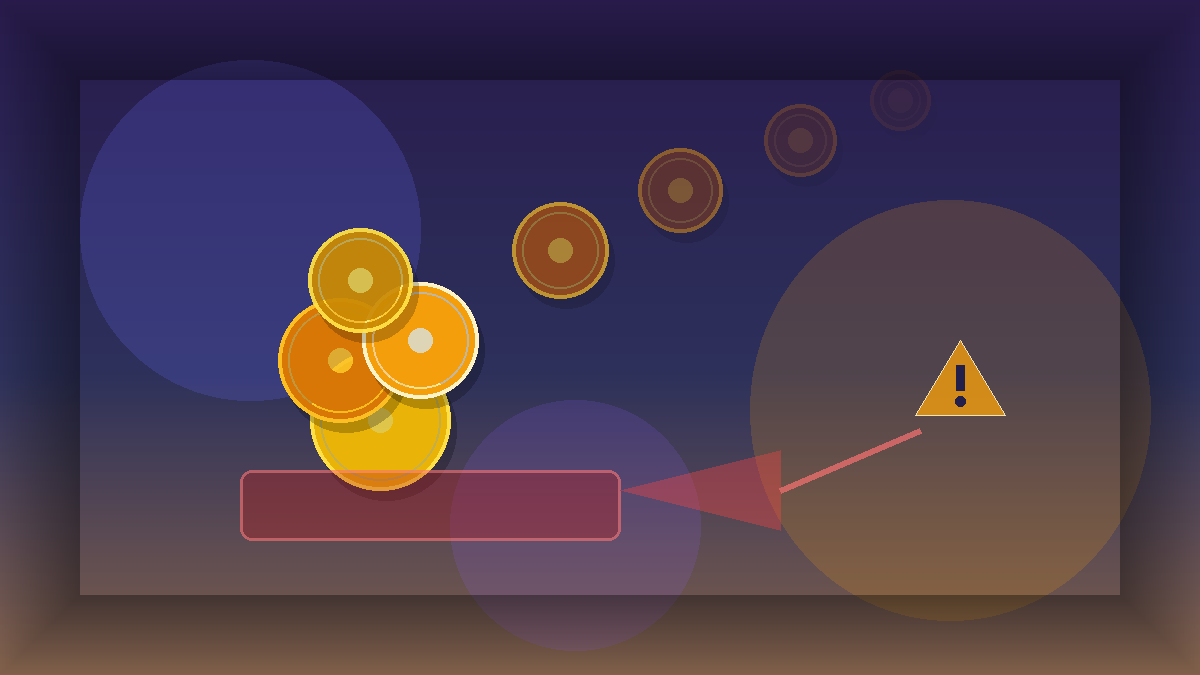
A rug pull is a crypto scam where insiders create hype around a new token or project, attract buyers, then drain the liquidity pool or dump their holdings and abandon the project — leaving buyers with worthless tokens. Typical signs include anonymous teams, aggressive marketing, unlocked liquidity and pressure to buy quickly. Protect yourself by verifying liquidity locks, avoiding guaranteed-return pitches, never sharing your seed phrase, and using a wallet you control. In Australia, Scamwatch warns that crypto investment scams (including rug-style schemes) are a major scam category — report them and ignore fake recovery services. Education only.
Rug pulls in one screen
Insiders abandon a project
Definition
Drain liquidity / dump tokens
Mechanism
Anonymous team, locked-in hype
Red flags
Scamwatch investment scams
AU angle
TL;DR - Quick Takeaways
- A rug pull is a crypto scam where project insiders remove liquidity or dump tokens and disappear
- Victims are left holding tokens that cannot be sold for any real value
- Common patterns: fake liquidity pools, sudden LP removal, insider dumps after a hype launch
- Red flags include anonymous unverifiable teams, guaranteed returns, pressure to buy fast, and no lock on liquidity
- Protect yourself: verify contracts and liquidity locks, never share a seed phrase, use a reputable wallet, size new tokens small
- In Australia, Scamwatch treats many crypto rug pulls as investment scams — report and educate, do not chase recovery services that ask for upfront fees
- Education only — not financial, tax or legal advice
Table of Contents
What is a rug pull?
A rug pull is a type of crypto investment scam. The people behind a new token or project build trust and excitement, attract buyers, and then abruptly withdraw the funds that let the token be traded — or sell off their own large holdings — and disappear. The name comes from the idea of pulling the rug out from under investors: everything looks stable until it suddenly is not.
A rug pull is not the same thing as a market crash. Prices fall in a crash because of broad market forces; in a rug pull, the collapse is deliberate and caused by the project's own insiders. It most often happens with brand-new altcoins and tokens that only exist for a few days or weeks.
Our Australian crypto scams guide covers rug pulls alongside the other local scam patterns, and it is worth reading before buying any new token.
How does a rug pull work?
Most rug pulls follow the same basic steps:
- Launch: a new token is created with flashy branding, a big promise, and a website that looks professional.
- Liquidity: the team adds a liquidity pool — a pot of funds that lets people buy and sell the token.
- Hype: social media marketing, influencers and group chats create urgency and fear of missing out.
- The pull: insiders remove the liquidity pool, or dump the large share of tokens they kept for themselves.
- Collapse: the price falls toward zero and ordinary buyers are left holding tokens they cannot sell for any real value.
You will sometimes hear two flavours described. A hard rug is instant: the liquidity pool is removed in one move and trading effectively stops. A soft rug is slower: insiders gradually sell their holdings into the hype while publicly acting supportive, and the price bleeds out over days or weeks. Both end the same way for late buyers.
You do not need to understand the technical details of token contracts to stay safe — you only need to recognise that if insiders can remove the liquidity or hold most of the supply, they can end the project whenever they choose.
How to spot a rug pull
No single sign proves a scam, but these red flags stack up quickly in rug pulls:
- Anonymous or unverifiable team: no real names, no work history, or profiles that cannot be checked.
- No clear product: the token exists only to be bought, with no actual use behind it.
- Guaranteed returns: any promise of certain profits is a scam signal, full stop.
- Extreme urgency: countdown timers, "last chance" posts, and pressure to buy right now.
- Unlocked or unknown liquidity: nothing stops insiders from draining the pool at any moment.
- Copycat branding: names and logos that imitate well-known projects to borrow trust.
- Off-platform pressure: being pushed to move funds off a normal exchange into an unknown website.
Custody hygiene matters here too: understanding what a crypto wallet does and why your seed phrase must stay private removes two of the most common ways rug-pull victims lose even more after the initial scam.
How to protect yourself
- Verify before buying: check who is behind a project, whether liquidity is locked, and whether anyone credible has reviewed the token contract.
- Never share your seed phrase: not with support, not with a recovery service, not with anyone.
- Use a wallet you control: a reputable self-custody wallet keeps your keys with you, not with a stranger's website.
- Size new tokens as high risk: treat any brand-new token as money you could lose entirely.
- Ignore recovery services: anyone who contacts you promising to recover lost crypto for an upfront fee is running a second scam.
- Report scams: reporting helps authorities track patterns and warn others.
For day-to-day habits, see crypto security best practices and the Australian crypto scams guide.
Rug pulls in Australia
In Australia, rug-style schemes generally fall under the investment-scam category tracked by the ACCC's Scamwatch investment scams page. The patterns Scamwatch describes — guaranteed returns, pressure to act fast, and celebrity or influencer endorsements — are exactly the marketing style most rug pulls use.
Two follow-on scams specifically target Australians who have already been burned. The first is the fake recovery service: someone contacts you claiming they can trace and recover your lost crypto for an upfront fee, then disappears with the fee. The second is fake support: callers or messages pretending to be from an exchange or wallet who ask for your seed phrase to "secure" or "unlock" your account. No legitimate service ever needs your seed phrase.
If you think you have been rug-pulled, stop sending money, keep your transaction records, and report it to Scamwatch. This page is general education only — it is not financial, legal or recovery advice.
Frequently Asked Questions
What is a rug pull?
A rug pull is a crypto scam where insiders create hype around a new token or project, attract buyers, then drain the liquidity pool or dump their holdings and abandon the project — leaving buyers with worthless tokens. The name comes from the idea of pulling the rug out from under investors.
How does a rug pull work?
Typically: a new token is launched with flashy branding, a liquidity pool is added so people can buy, heavy marketing creates pressure to buy quickly, and then insiders either remove the liquidity pool or sell their large token holdings. The price collapses and ordinary buyers cannot exit at any real value.
How can I spot a rug pull before buying?
Common red flags: an anonymous or unverifiable team, no clear product beyond the token itself, guaranteed returns, extreme urgency to buy, unlocked or unknown liquidity, copycat branding, and pressure to move funds off a normal exchange into an unknown website. Any one of these is a reason to slow down; several together are a reason to walk away.
What should I do if I think I was rug-pulled in Australia?
Stop sending more money, keep records of transactions and wallet addresses, and report the scam to Scamwatch (scamwatch.gov.au) so patterns can be tracked. Be wary of recovery services that contact you promising to get funds back for an upfront fee — that is a common follow-up scam. Education only, not legal advice.
Is a rug pull the same as a crypto market crash?
No. A market crash is a broad price fall across many assets driven by market forces. A rug pull is a deliberate act by project insiders who drain liquidity or dump holdings and abandon the project. A crash is market risk; a rug pull is a scam.
Can a legitimate service ask for my seed phrase after a rug pull?
No. No legitimate exchange, wallet provider, support team or recovery service ever needs your seed phrase. Anyone who asks for it — especially after you have been scammed — is trying to steal whatever funds remain. Never share your seed phrase with anyone.
Related Guides
Bitcoin Rewards Australia: How Aussies Earn BTC in 2026
How Australians earn BTC through cashback cards, apps, browsers, referrals and exchange programs, plus custody checks, ATO tax basics and Jittie’s learn-and-earn education.
Crypto Staking Australia: 2026 Education Guide
Crypto staking in Australia explained for 2026: how proof-of-stake rewards work, liquid vs locked vs exchange earn products, ATO income vs CGT treatment, and the main risks. Education only.
What Is a Crypto Exchange in Australia? 2026 Guide
What a crypto exchange is in Australia, how AUSTRAC registration works, how AUD on-ramps work, and how a centralised exchange differs from a DEX, a Bitcoin ATM and an ASX bitcoin ETF.
Jittie Editorial Team
Crypto Education Specialists
Our team of crypto experts and financial educators are passionate about making cryptocurrency accessible to all Australians. With backgrounds in blockchain technology, finance, and education, we create clear, accurate guides to help you navigate the crypto world safely.