What Does Diamond Hands Mean? Diamond Hands vs Paper Hands in Crypto (2026)
Quick Answer
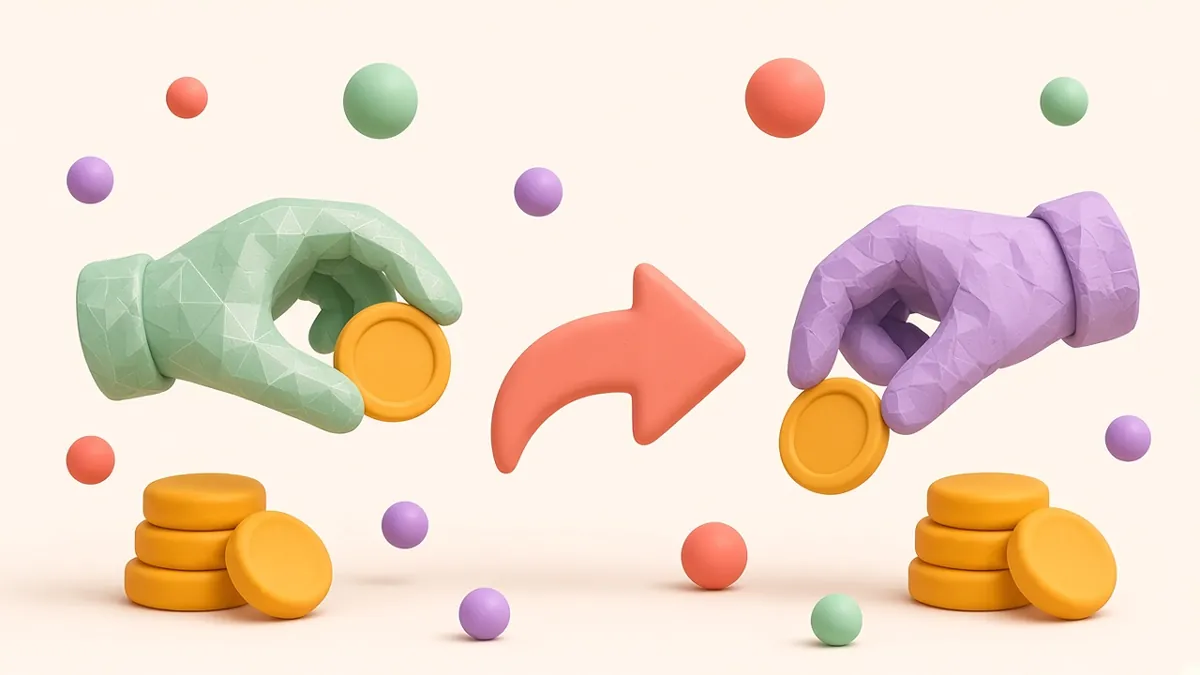
"Diamond hands" is slang for someone who keeps holding a crypto asset or stock through big price drops and scary headlines instead of selling. "Paper hands" is the opposite: someone who sells at the first sign of trouble. You will often see them written as emoji, 💎🙌 for diamond hands and 🧻🙌 for paper hands. The phrases describe how a person reacts to volatility. They are not a strategy, and neither one is automatically right or wrong.
TL;DR - Quick Takeaways
- Diamond hands = holding through drops and pressure without selling
- Paper hands = selling quickly when prices fall or fear spreads
- The terms grew up on Reddit's r/WallStreetBets and went mainstream during the January 2021 GameStop short squeeze, then spread across crypto
- They are modern versions of the older trading terms "strong hands" and "weak hands"
- Diamond hands is not the same as HODL: HODL is a long-term plan, diamond hands is about holding under pressure, often in short, wild moves
- Holding can also mean holding a losing asset to zero, so "diamond hands" can be stubbornness as much as conviction
- In Australia, how long you hold can change your tax: the ATO's 12-month CGT discount may apply to eligible individuals
- Education only, not financial advice. Jittie is in pre-launch — join the waitlist for updates
Table of Contents
What does diamond hands mean?
Diamond hands describes an investor who refuses to sell, even when the price is falling fast, the news is bad and everyone around them is panicking. Diamonds are famous for being hard to break, and "hands" refers to holding. Put together, the phrase means a grip that will not let go.
In crypto chat it is usually praise. "Diamond hands on this one" means "I'm not selling, no matter what". People also use it as a verb: "just diamond-hand it". During a sharp dip, a community may flood its channels with 💎🙌 to encourage everyone to hold together.
Dictionary.com points out that the term can be used negatively too, for an investor who stubbornly refuses to let go of something that is likely to keep losing value. That second meaning matters, and we come back to it below.
What does paper hands mean?
Paper hands is the opposite. It describes someone who sells as soon as the price wobbles, often at a loss, and often just before a recovery. It is nearly always used as an insult, sometimes stretched to "toilet paper hands" and shown with the 🧻🙌 emoji.
Calling someone paper-handed is a form of social pressure: it suggests they were weak or lacked conviction. But selling is not automatically a mistake. Someone who sells because their plan said to, because they need the money, or because the reason they bought no longer holds is making a decision, not panicking. The label only tells you what a crowd thinks of the choice.
A quick comparison:
| Diamond hands | Paper hands | |
|---|---|---|
| Behaviour | Keeps holding through drops and bad news | Sells quickly when prices fall |
| Emoji | 💎🙌 | 🧻🙌 |
| How it is used | Mostly praise, sometimes a warning about stubbornness | Mostly an insult |
| Older trading term | Strong hands | Weak hands |
| Main risk | Holding a failing asset too long | Locking in losses and selling before a rebound |
Where did diamond hands and paper hands come from?
Both terms come from r/WallStreetBets, a Reddit community known for high-risk trading and memes. Dictionary.com says diamond hands had been used there since at least 2018. It reached a much wider audience in January 2021, when WallStreetBets users piled into GameStop shares and pushed the price up sharply in what became known as the GameStop short squeeze. According to Know Your Meme, one of the best-known early diamond-hands posts went up on 29 January 2021, and the first known "paper hands" usage followed a few days later.
The idea is older than the meme. Traders have long talked about "strong hands", investors who hold through volatility, and "weak hands", who are shaken out by small moves. Diamond hands and paper hands are internet-culture versions of the same split, with more drama and better emoji.
From meme stocks, the phrases jumped straight into crypto, where 24/7 trading and large daily price swings make the question of whether to hold or sell a constant topic. Today they sit alongside other community slang such as HODL, FUD, WAGMI and NGMI. Our NGMI meaning guide explains those terms, and you will often see paper-handed sellers told they are "NGMI".
Diamond hands vs HODL: are they the same?
They overlap, but they are not identical.
- HODL began as a 2013 Bitcoin forum typo for "hold" and became shorthand for a long-term approach: buy and keep holding for years, ignoring short-term moves. Read the full story in our what is HODL guide.
- Diamond hands is about holding under pressure, in the moment. It is used most during fast, emotional moves, often in volatile assets such as meme coins, where a position can halve or double in days.
Put simply, HODL describes a plan, while diamond hands describes a reaction. Someone can HODL Bitcoin for years with a calm, written plan. Someone can also "diamond-hand" a brand-new token all the way down because a group chat told them selling was weak.
When diamond hands helps, and when it hurts
Holding steady can stop people from selling in a panic at the bottom of a dip, which is a real and common mistake. Crypto has had many deep falls, as our bear market guide explains, and people who sold in fear sometimes missed later recoveries.
But diamond hands has a serious downside:
- Some assets never come back. Plenty of tokens have gone to zero or close to it. Holding a project that has failed, or a rug pull, is not conviction; it is just loss.
- Peer pressure is not analysis. "Paper hands" is often used by people who benefit if you keep holding, for example other holders who do not want selling to push the price down.
- Sunk cost and loss aversion. Behavioural finance research describes a common tendency to sell winners too early and hold losers too long, partly because selling a loser makes the loss feel real. Diamond-hands culture can make that tendency feel like a virtue.
- Mood, not fundamentals. A chat full of 💎🙌 tells you how a community feels. It says nothing reliable about the project's team, technology or future price. Our what is FUD guide covers the flip side, when criticism is waved away as "fear".
A healthier question than "diamond or paper?" is "what was my plan before the price moved?" If you set out why you bought, how much you could afford to lose and what would make you sell, you are making your own decision rather than reacting to a meme.
Diamond hands, tax and staying safe in Australia
For Australians, holding versus selling is not just about mood. It can change your tax.
The ATO treats most crypto held as an investment as a capital gains tax (CGT) asset, and selling, swapping or spending it is generally a CGT event. See the ATO's crypto asset investments page. Under the ATO's CGT discount rules, eligible individuals who hold an asset for at least 12 months before a CGT event may be able to reduce their capital gain by 50%. That means a quick "paper hands" sale and a sale after a year can be taxed differently. The rules have conditions, so check the ATO pages or a registered tax agent for your situation.
Moneysmart, ASIC's consumer website, warns that crypto assets are high risk and you could lose all the money you put in. Read its crypto assets guidance before committing funds. If a group or influencer is pressuring you to "hold the line", buy more or keep quiet about selling, check Scamwatch's investment scams page; urgency and pressure are common warning signs.
Frequently Asked Questions
What does diamond hands mean in crypto?
Diamond hands means holding a crypto asset through big price drops, bad news and pressure to sell. It is usually said as praise for someone who did not panic.
What does paper hands mean?
Paper hands describes someone who sells quickly when the price falls or fear spreads. It is mostly used as an insult in crypto and meme-stock communities.
What do the 💎🙌 and 🧻🙌 emoji mean?
💎🙌 (diamond and raised hands) is shorthand for diamond hands. 🧻🙌 (toilet roll and raised hands) is shorthand for paper hands.
Where did the term diamond hands come from?
It came from Reddit's r/WallStreetBets, where it was used from at least 2018, and became widely known during the January 2021 GameStop short squeeze before spreading into crypto.
Is diamond hands the same as HODL?
Not quite. HODL describes a long-term holding approach. Diamond hands describes refusing to sell under pressure, often during short, volatile moves.
Is having diamond hands a good strategy?
It is a description of behaviour, not a strategy. Holding through volatility can avoid panic selling, but it can also mean holding an asset that keeps losing value. Decide your own plan in advance and consider licensed advice.
Does holding crypto for 12 months change my tax in Australia?
It can. Under the ATO's rules, eligible individuals who hold a CGT asset for at least 12 months may be able to apply a 50% CGT discount. Conditions apply, so check the ATO website or a registered tax agent.
Can I use Jittie to buy crypto today?
Jittie is in pre-launch. You can join the waitlist at learn.jittie.com/waitlist for launch access and updates.
Jittie is in pre-launch. We're building a linked debit card designed to give merchant-funded Bitcoin back on everyday Australian spending. It is not live yet. Join the waitlist for launch updates.
Eagle BTM Pty Ltd ACN 659 281 820 publishes this education site. Nothing here recommends any platform, service or asset or is a recommendation to buy, sell or hold anything. General information only — not financial, tax, or legal advice.
Related Guides

Bitcoin Rewards Australia: How Aussies Earn BTC in 2026
How Australians earn BTC through cashback cards, apps, browsers, referrals and exchange programs, plus custody checks, ATO tax basics and Jittie’s learn-and-earn education.
Crypto Staking Australia: 2026 Education Guide
Crypto staking in Australia explained for 2026: how proof-of-stake rewards work, liquid vs locked vs exchange earn products, ATO income vs CGT treatment, and the main risks. Education only.

What Is a Crypto Exchange in Australia? 2026 Guide
What a crypto exchange is in Australia, how AUSTRAC registration works, how AUD on-ramps work, and how a centralised exchange differs from a DEX, a Bitcoin ATM and an ASX bitcoin ETF.
Jittie Editorial Team
Crypto Education Specialists
Our team of crypto experts and financial educators are passionate about making cryptocurrency accessible to all Australians. With backgrounds in blockchain technology, finance, and education, we create clear, accurate guides to help you navigate the crypto world safely.